
Steven Spielberg
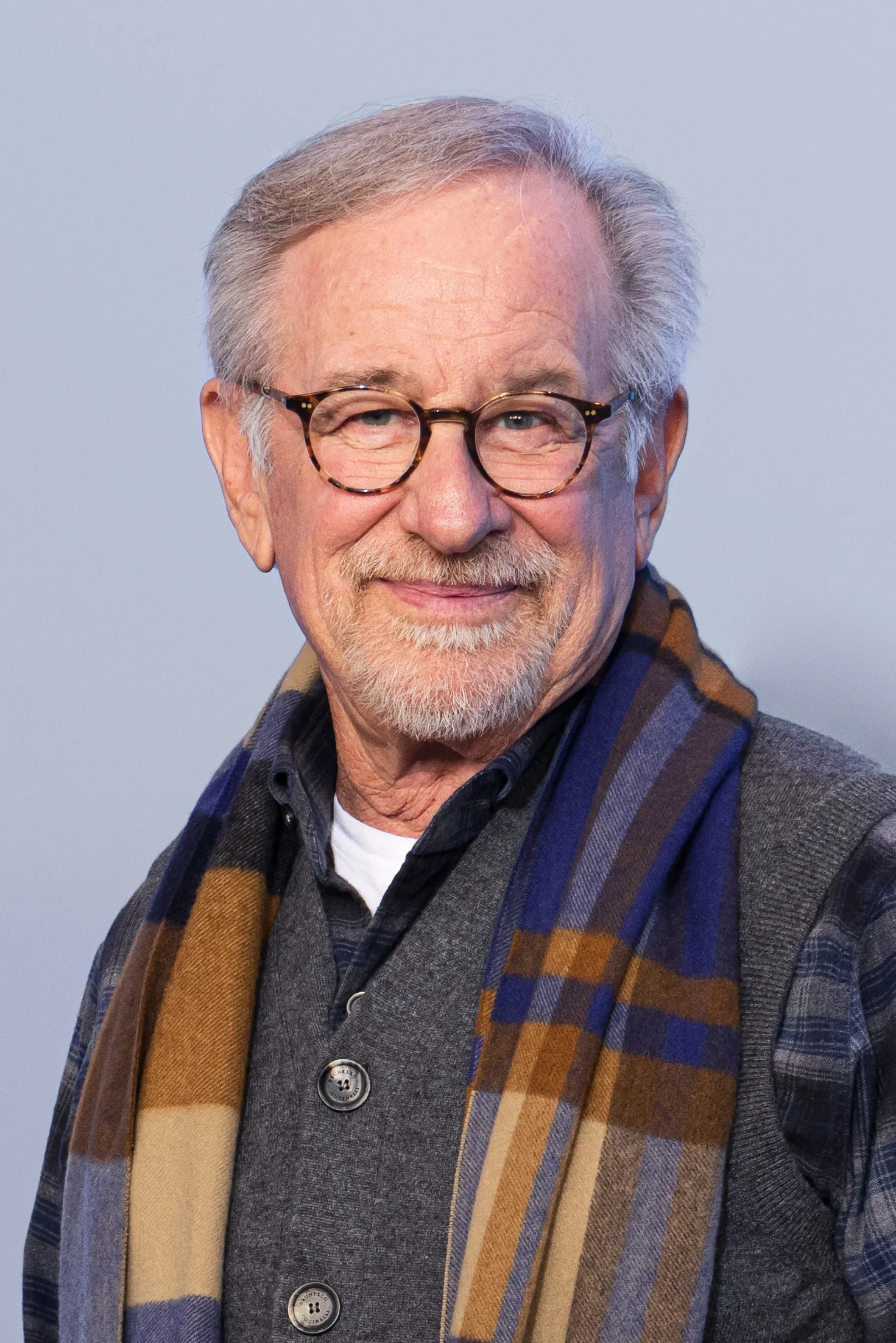
Image from Wikipedia
Image from Wikipedia
Steven Spielberg – The Architect of the Modern Blockbuster and Master of Emotional Cinema
A director, producer, and storyteller who has shaped film history for decades
Steven Allan Spielberg, born on December 18, 1946, in Cincinnati, Ohio, is one of the most influential figures in international cinema. His career spans from a young film enthusiast to the visionary director of the New Hollywood era, to a globally impactful producer whose work has shaped pop culture, mainstream cinema, and historical memory alike. His films combine technical precision, narrative empathy, and an exceptional sense of audience expectations. ([britannica.com](https://www.britannica.com/biography/Steven-Spielberg?utm_source=openai))
Early Years and Cinematic Influence
Spielberg's interest in filmmaking began in childhood; as a teenager, he created his first short films, including Escape to Nowhere, which won awards at a festival. This early phase already shows the blend of adventurous spirit, control over imagery, and emotional directness that later became his trademark. His entry into the industry did not follow conventional elite paths but was marked by persistence, visual imagination, and an astonishingly keen sense for audience and timing. ([britannica.com](https://www.britannica.com/biography/Steven-Spielberg?utm_source=openai))
The Breakthrough: From Early TV Success to Cinematic Event
With the TV movie Duel in 1971, Spielberg achieved his first major breakthrough by condensing tension, movement, and psychological pressure with an unusual formal clarity for the medium. Even here, it was evident how efficiently he turned genre material into gripping cinematic experiences. Shortly after, films emerged that would redefine the term "blockbuster" while also taking the audience's emotions seriously. ([en.wikipedia.org](https://en.wikipedia.org/wiki/Steven_Spielberg?utm_source=openai))
Jaws solidified Spielberg's status as a global film star in 1975 and established the modern summer event aesthetic. Close Encounters of the Third Kind, E.T. – The Extra-Terrestrial, and later Jurassic Park demonstrated that spectacular effects for him are never an end in themselves, but are always embedded within a human story. This balance of sensation and feeling explains his extraordinary impact on generations of viewers. ([en.wikipedia.org](https://en.wikipedia.org/wiki/Steven_Spielberg?utm_source=openai))
The Dramatic Weight: Historical Themes and Social Relevance
Spielberg's work isn't reduced to entertainment. With Schindler's List and Saving Private Ryan, he set benchmarks for historical drama by treating violence, moral responsibility, and memory culture with great seriousness. Both films earned him an Oscar for directing; Schindler's List also won an award for production. This makes him one of the rare filmmakers to connect commercial success and moral gravitas at the highest level. ([britannica.com](https://www.britannica.com/biography/Steven-Spielberg?utm_source=openai))
Later works like Munich, Lincoln, Bridge of Spies, The Post, and The Fabelmans show a clear artistic evolution towards precise, often quiet observation. Here, spectacle is not the only focus; rather, it is the political and personal reflection on power, family, memory, and responsibility that dominates. Spielberg's style remains unmistakable: clear image composition, dynamic camera movement, and direction that builds emotion rather than displays it. ([en.wikipedia.org](https://en.wikipedia.org/wiki/Steven_Spielberg?utm_source=openai))
Producer, Entrepreneur, and Industry Architect
Besides his directorial work, Spielberg significantly shaped the industry as a co-founder of Amblin Entertainment and DreamWorks. Through these companies, he has been involved in numerous successful franchises, including Back to the Future, Men in Black, and Transformers. Thus, he has become not only the author of individual films but also the driving force behind entire franchises and production models that have sustainably transformed Hollywood. ([en.wikipedia.org](https://en.wikipedia.org/wiki/Steven_Spielberg?utm_source=openai))
The official Amblin website cites projects like Hamnet, where Spielberg is credited as a producer, as well as series and film projects that make his influence as a creative impetus visible by 2025. Masters of the Air also showcases his continued presence in serialized storytelling. Spielberg's role thus extends beyond just being behind the camera to building a production cosmos that connects aesthetic signature and industrial reach. ([amblin.com](https://amblin.com/movie/hamnet/?utm_source=openai))
Awards, Records, and Cultural Authority
Spielberg has been nominated for the Oscar 22 times, and his films have received a total of 140 Oscar nominations, of which 35 have been won. According to available data, he is the first and only director to be nominated for or awarded an Oscar across six decades. Additionally, he has received numerous Golden Globe, BAFTA, and Emmy awards that underscore his exceptional breadth as a filmmaker and producer. ([britannica.com](https://www.britannica.com/biography/Steven-Spielberg?utm_source=openai))
With box office earnings exceeding ten billion US dollars, Spielberg is also among the most commercially successful directors in film history. However, this economic metric is just one aspect of his legacy: of greater importance is his influence on visual language, tension dramaturgy, and the emotional architecture of mainstream cinema. Few names symbolize more clearly the connection between mass appeal and auteur-like signature. ([britannica.com](https://www.britannica.com/biography/Steven-Spielberg?utm_source=openai))
Style, Signature, and Artistic Development
Spielberg's style is based on a rare trinity of precision, rhythm, and empathy. His films frequently feature strong visual motifs, pointed tension arcs, and characters oscillating between wonder, fear, and familial bonds. Even in his biggest productions, the direction remains humanly readable; effects, movement, and sound design serve a clear emotional dramaturgy. ([britannica.com](https://www.britannica.com/biography/Steven-Spielberg?utm_source=openai))
This artistic evolution makes him relevant even in his later years. While earlier works often relied on immediate kinetic impact, his more mature films increasingly foreground memory, loss, and biographical reflection. The Fabelmans particularly encapsulates this movement, as personal origins and cinematic self-understanding intertwine. ([amblin.com](https://amblin.com/movie/the-fabelmans/?utm_source=openai))
Cultural Influence and Legacy
Spielberg's influence extends far beyond his filmography. He shaped the relationship between Hollywood and audiences, advanced the aesthetics of event cinema, and imbued the blockbuster with an emotional depth that serves as a benchmark to this day. At the same time, he has raised awareness of Jewish history, wartime experiences, and political responsibility through historical themes. ([britannica.com](https://www.britannica.com/biography/Steven-Spielberg?utm_source=openai))
The fact that his works continue to be discussed, quoted, and reassessed decades after their premiere speaks to a rare cultural permanence. Spielberg is not only a director with great success but a storyteller whose images have entered the collective memory. His films function simultaneously as entertainment, cinematic craftsmanship, and cultural archive. ([en.wikipedia.org](https://en.wikipedia.org/wiki/Steven_Spielberg?utm_source=openai))
Conclusion: An Exceptional Artist Whose Films Redefine Cinema Time and Again
Steven Spielberg remains intriguing because he unites opposing forces: spectacular cinematic energy and human warmth, industrial power and personal sensitivity, pop culture and historical depth. He does not have a music career—yet his collaborations with composers, his cinematic rhythm, and his sense for audiovisual impact make him one of the greatest shapers of modern narrative cinema. Anyone looking to understand how emotional blockbusters, historical prestige cinema, and timeless pop icons are created cannot overlook Spielberg. ([britannica.com](https://www.britannica.com/biography/Steven-Spielberg?utm_source=openai))
His work demonstrates how cinema can resonate across generations: as adventure, as memory, and as precisely told stories. Those who have the opportunity to experience Spielberg's films on the big screen should take it—there, direction, image space, and tension unleash their full impact. The cinema of this director remains an event that should not only be seen but felt. ([britannica.com](https://www.britannica.com/biography/Steven-Spielberg?utm_source=openai))
Official Channels of Steven Spielberg:
- Instagram: no official profile found
- Facebook: no official profile found
- YouTube: no official profile found
- Spotify: no official profile found
- TikTok: no official profile found
Sources:
Upcoming Events
Jaws
Cult, tension, and big screen in Duisburg: Jaws at filmforum. 12.05.2026 at 20:30, 9.90 Euros. Now secure your film night. #Duisburg #Cinema
Spielberg and the Aliens: Close Encounters of the Third Kind
A cult film on the big screen: Spielberg and the Aliens at ASTOR Braunschweig. On June 11, 2026, at 7:45 PM, tickets from €7.50. #Braunschweig #Cinema
Spielberg and the Aliens: Uncanny Encounter of the Third Kind
A cult film for wide eyes and quiet goosebumps: Spielberg at ASTOR Braunschweig, on the premium screen. June 12, 2026, from 7.50 euros. Experience it now! #Braunschweig
Spielberg and the Aliens: E.T. - The Extraterrestrial
A cult classic returns to the big screen: E.T. at the ASTOR Film Theater Braunschweig. 06/18/2026, tickets from 7.50 euros. #CinemaMagic