
Ernie Watts
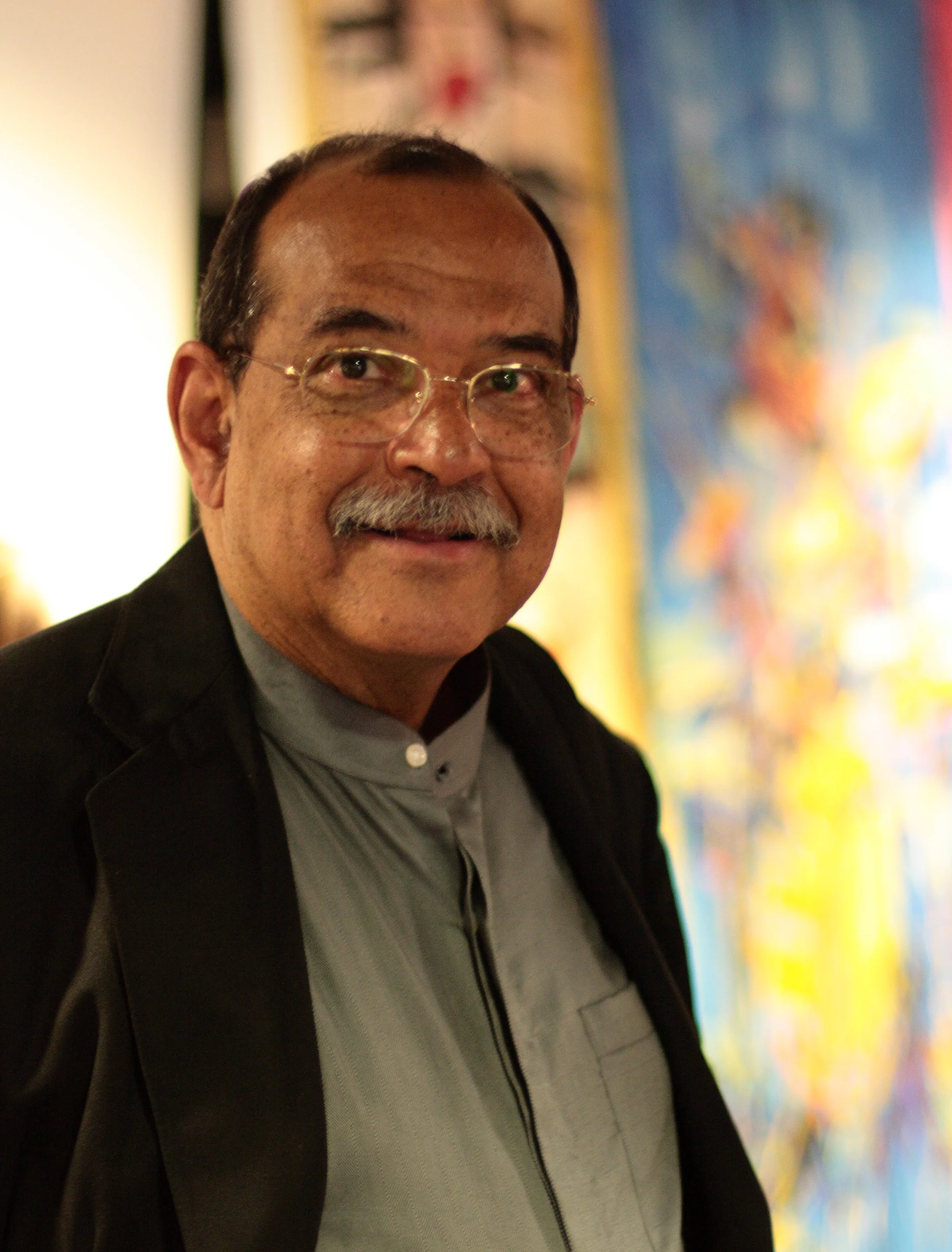
Image from Wikipedia
Image from Wikipedia
Ernie Watts
Ernie Watts: The Saxophonist Who Merges Jazz, Soul, and Pop into a Distinctive Voice
Ernie Watts is one of the great sound architects of American jazz: a saxophonist and flutist with a unique tone who has built an exceptionally broad music career since the 1960s, straddling jazz, rhythm and blues, pop, studio work, and improvised art. Born on October 23, 1945, in Norfolk, Virginia, he developed an early playing style that combines technique, expressiveness, and stylistic openness. His biography not only tells of virtuosity but also of discipline, stage presence, and the rare talent to remain instantly recognizable in various musical contexts. ([en.wikipedia.org](https://en.wikipedia.org/wiki/Ernie_Watts?utm_source=openai))
Early Influences: From Teen Talent to Serious Jazz Musician
Watts began playing the saxophone at the age of 13 and found his musical direction through intensive study of John Coltrane and Miles Davis. By the age of 16, he was performing as a soloist with the Delaware Symphony; at the same time, he learned jazz initially by ear, shaping a voice that extended early beyond mere formal schooling and training. The path through the Berklee College of Music, supported by a DownBeat scholarship, laid the foundation for the mixture of craftsmanship, harmonic understanding, and improvisational confidence that would characterize his later discography. ([erniewatts.com](https://erniewatts.com/ErnieBio.pdf))
The early years already reveal a central theme of his artistic development: Watts never thought in narrow genre boundaries. While many young jazz musicians focused on bebop or modern traditions, he also moved early into big band, soul, and pop contexts. This openness later made him equally interesting to producers, bandleaders, and composers, earning him a career based on versatility and sonic recognizability. ([erniewatts.com](https://erniewatts.com/ErnieBio.pdf))
The Years of Great Orchestras: Buddy Rich, Gerald Wilson, and Oliver Nelson
A significant career boost came with Buddy Rich's Big Band, where Watts, according to the official biography, spent two years, recorded three albums, and undertook a worldwide tour. The time with Rich meant not only direct training in high speed, precision, and drive but also entry into the professional elite of American touring and studio work. Subsequent engagements followed with Gerald Wilson, Louie Bellson, and Oliver Nelson, including a three-month State Department tour of Africa. ([erniewatts.com](https://erniewatts.com/ErnieBio.pdf))
This phase sharpened Watts' sense of arrangement, timing, and big band dynamics. Practically, this meant complex voice leading, quick responses to musical changes, and the ability to shine in both ensemble settings and solo passages. It was this professionalism that made him a sought-after sideman in the following years, providing immediate direction in nearly every ensemble. ([erniewatts.com](https://erniewatts.com/ErnieBio.pdf))
Studio Legend in Los Angeles: Pop, R&B, and Countless Sessions
After moving to Los Angeles, Watts became a fixed presence in the West Coast studio scene. According to the official biography, his distinctive sound shaped TV, film, and Motown productions as well as recordings with Aretha Franklin, Glenn Frey, and Steely Dan; the Wikipedia biography adds that he is featured as a soloist on albums by Marvin Gaye and Barry White. These studio years earned him a tremendous stylistic range and turned him into a musician whose saxophone lines create immediate depth and color even in popular contexts. ([erniewatts.com](https://erniewatts.com/ErnieBio.pdf))
Particularly notable is how seamlessly Watts navigated between commercial pop, soulful R&B, and sophisticated improvisation. His work in this environment exemplifies musical authority without self-promotion: he emphasizes accents, shapes melodic lines, and enhances the song without overwhelming it. This earned him a reputation as a musician who elevates every production rather than merely supporting it. ([erniewatts.com](https://erniewatts.com/ErnieBio.pdf))
Returning to Jazz: Charlie Haden, Pat Metheny, and Quartet West
A turning point in Watts’ artistic development was his collaboration with Charlie Haden and Pat Metheny. After a performance in Los Angeles, he met Haden backstage, leading to work in Metheny's Special Quartet and later a long-standing membership in Haden's Quartet West. This step marked the transition from broad studio excellence to a more focused jazz identity, where Watts could fully develop his improvisational language and lyrical tone. ([erniewatts.com](https://erniewatts.com/ErnieBio.pdf))
JazzTimes describes Watts as a musician with “one foot in many musical camps,” while Jazz.com and other sources emphasize his tremendous stylistic elasticity. This is where his greatness lies: Watts embodies a modern jazz musician who convinces not through isolation but through confidence in diverse contexts. His tone remains the unifying element, whether in balladic intimacy or powerful ensemble situations. ([jazztimes.com](https://www.jazztimes.com/features/profiles/an-overdue-ovation-for-ernie-watts/?utm_source=openai))
Discography: Distinct Profile, Strong Quartets, and Clear Musical Handwriting
As a bandleader, Watts has developed an extensive discography, documented on the official website with titles such as Planet Love, Come Together, The Wonder Bag, Chariots of Fire, Look In Your Heart, Sanctuary, Musican, The Ernie Watts Quartet, Reaching Up, Unity, The Long Road Home, Classic Moods, ALIVE, Spirit Song, Analog Man, To The Point, Four Plus Four, Oasis, A Simple Truth, Wheel Of Time, and Home Light. These releases showcase a musician who masters both form-conscious jazz concepts and open, melodic improvisation. ([erniewatts.com](https://erniewatts.com/ErnieBio.pdf))
Notably, the Flying Dolphin era starting in 2004 represents artistic independence. With the label founded by Ernie and Patricia Watts, his work gained conceptual freedom; the official materials refer to several quartet formations, including a US and a European version, illuminating his music from different perspectives. The album Home Light from 2018 is, according to the official biography, the latest Flying Dolphin release, blending lyrical pieces, gospel-like warmth, and bebop energy. ([erniewatts.com](https://erniewatts.com/ErnieBio.pdf))
Critical Reception, Awards, and Cultural Influence
Watts has received two Grammy Awards and was honored with the Frankfurt Music Prize in 2014; the official award document highlights his more than 50-year career, his work in many genres, and the significance of Analog Man, which won the Independent Music Award for Best Jazz Album in 2007. These honors underscore his status as an authority in contemporary jazz, whose relevance extends well beyond traditional scene boundaries. ([erniewatts.com](https://erniewatts.com/ErnieBio.pdf))
His cultural influence lies in the connection of identity and openness. Watts has played with artists from Cannonball Adderley to Frank Zappa, worked with Quincy Jones’ associates, accompanied the Rolling Stones on tour, and has been present in film and television productions. At the same time, he remained committed to acoustic jazz and built a presence that is described as exceptionally respected by both high-end music press and peers. ([erniewatts.com](https://erniewatts.com/ErnieBio.pdf))
Current Projects and Recent Positioning
Among recent publicly documented projects is the collaboration with Brad Goode, which was highlighted again in 2024 in connection with SFJAZZ and is based on the 2019 release from Origin Records, That’s Right!. On the official website, Home Light remains highlighted as the latest own quartet release; moreover, press and biography materials show that Watts continues to be active as a concert performer, educator, and internationally sought-after improviser. As of 2024 and 2025, no new solo albums or official social media announcements can be verified in credible sources. ([sfjazz.org](https://www.sfjazz.org/onthecorner/articles/on-the-record-brad-goode-ernie-watts/?utm_source=openai))
It is precisely this consistency that makes him intriguing: he is not an artist of loud self-promotion but one of lasting presence. Watts represents a musical career characterized by smart decisions, musical depth, and a rare balance between studio work and artistic independence. Those who follow his development recognize a personality that understands jazz not as a style but as an attitude. ([erniewatts.com](https://erniewatts.com/ErnieBio.pdf))
Conclusion: A Master of Tone to Experience Live
Ernie Watts remains fascinating because he builds musical bridges: between jazz history and the present, between improvisation and song service, between technical mastery and emotional directness. His saxophone sound possesses that rare mix of warmth, authority, and agility that makes great soloists unmistakable. Experiencing him live reveals not only an outstanding instrumentalist but an artist who condenses decades of experience, deep stylistic awareness, and genuine stage presence into every note. ([erniewatts.com](https://erniewatts.com/ErnieBio.pdf))
Official Channels of Ernie Watts:
- Instagram: No official profile found
- Facebook: No official profile found
- YouTube: No official profile found
- Spotify: No official profile found
- TikTok: No official profile found
Sources:
- ErnieWatts.com - official website
- ERNIE WATTS - official biography (PDF)
- Ernie Watts - Frankfurt Music Prize 2014 (PDF)
- ErnieWatts.com - discography
- ErnieWatts.com - press room
- Wikipedia - Ernie Watts
- NAMM Oral History Library - Ernie Watts
- JazzTimes - An Overdue Ovation for Ernie Watts
- Los Angeles Times - Jazz Reviews: Toe-Tingling Top Notes from Sax Man Watts
- SFJAZZ - On the Record: Brad Goode / Ernie Watts