Cultural Education and Participation in Rosenheim
Cultural Education & Societal Discourse in Rosenheim: What is Planned for 2026/2027
How does a city change when encounters in the neighborhood, in the museum, or in the rehearsal room are consciously designed as invitations to participate in discussions? In Rosenheim, this idea will come more into focus in the coming months and years: With new voting formats, networked learning locations, and low-threshold access, cultural education is specifically intended to help more people participate, contribute their perspectives, and experience democratic discourse locally.
Note on timing: This article describes only projects, plans, and announced developments from May 2026 onwards.
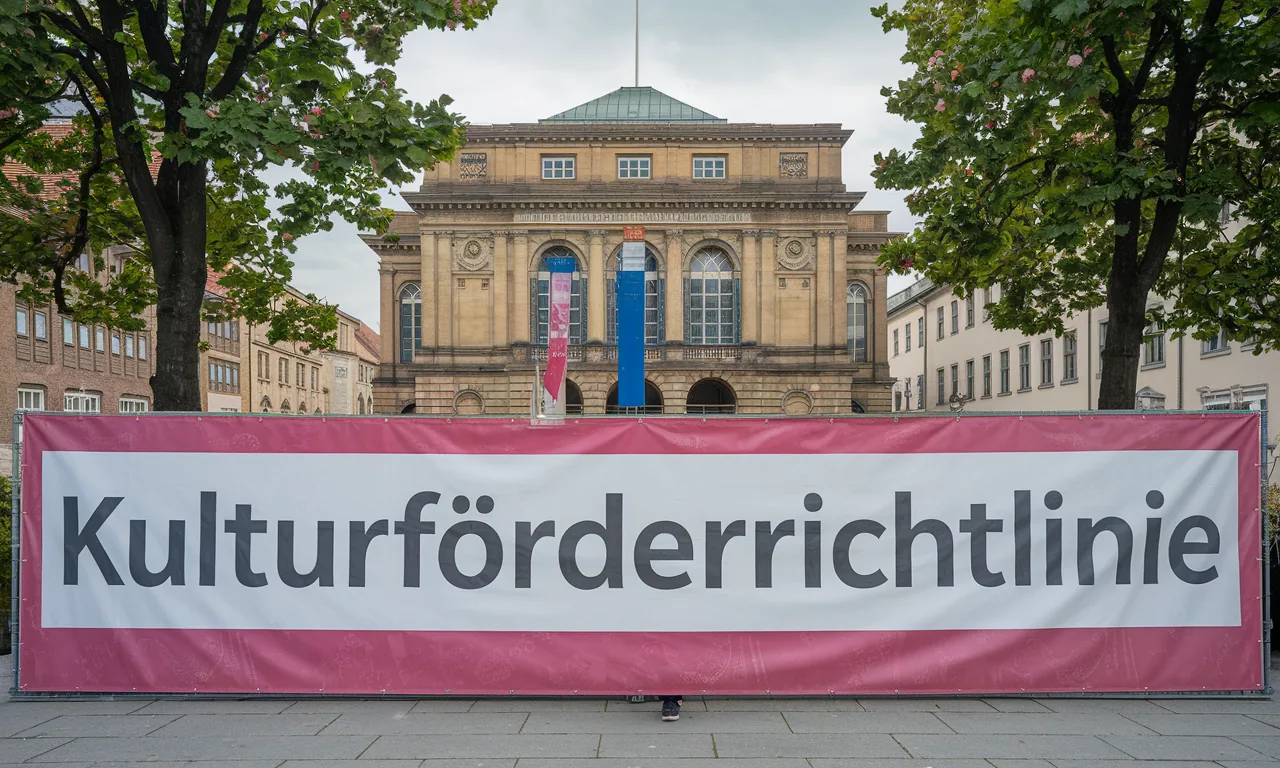
Municipal Guidelines: Culture and Education as a Task for the Future
For 2026/2027, it is planned to treat cultural education in Rosenheim even more clearly as a cross-sectional municipal task. This means: Culture should not only appear as a program item in the event calendar, but as a permanent field of development that connects urban development, youth work, integration, volunteering, and educational offerings.
The focus is on networked learning locations: Schools, youth centers, libraries, museums, associations, and independent initiatives are to cooperate more closely along common goals. The plan is to intensify exchange formats so that projects do not run in parallel but complement each other—for example, through joint themed years, coordinated workshop series, or cross-disciplinary formats in which art, history, and contemporary issues come together.
Societal discourse is conceived as a practical experience: In the future, people should have more opportunities to express themselves through artistic means, to listen, to disagree, and to negotiate perspectives—in everyday life in the neighborhoods as well as in established cultural venues.
Cultural Funding 2026/2027: What Applicants Should Plan For
For the next funding cycles, it is expected that municipal cultural funding will continue to pursue two goals simultaneously: Planning security for continuous offerings and flexibility for new ideas. In order for cultural education and societal discourse to effectively come together, funding instruments should remain transparent—with clear criteria, documented decisions, and reliable evidence.
Typical Funding Logic (Outlook)
- Institutional support: Multi-year funding lines are intended to strengthen cultural venues and sponsors that regularly provide offerings for different target groups (e.g., programs for children, youth, families, or intergenerational formats).
- Project-based funding: Time-limited projects should continue to have the opportunity to be funded with clear objectives, solid cost planning, and cooperation—especially if they demonstrably increase participation and dialogue (e.g., participatory theater, artistic urban space projects, educational work).
Anyone planning to apply in 2026/2027 should involve cooperations early (e.g., school + cultural venue + youth work), formulate a realistic project logic (goals, target groups, impact, evaluation), and design access so that participation does not fail due to language, cost, or prior knowledge.
Neighborhood-Oriented Cultural Education: North, East, and West as Learning and Discourse Spaces
For the social areas North, East, and West, more formats are planned in the coming quarters that bring cultural education to where everyday life takes place: in neighborhoods, on squares, in family centers, in youth clubs, and at schools. The goal is for children and young people to experience locally that their ideas count—regardless of income, origin, or type of school.
Which formats are particularly likely in the future?
- Creative workshops in the neighborhood: Photo, drawing, or audio projects that focus on one's own environment and make different perspectives visible.
- Participatory stage formats: Theater and music projects in which young people develop their own topics and present them publicly (with accompanying discussions instead of just "performance").
- Art in public space: Temporary installations or interventions that address questions of coexistence and create low-threshold opportunities for conversation.
The expected effect is twofold: On the one hand, skills are developed (expression, teamwork, media and judgment skills). On the other hand, democracy becomes practical, because negotiation, rules, responsibility, and visibility are concretely experienced during the project.
Low-Threshold Participation: Planned Access for People with Low Income
For 2026/2027, it is expected in Rosenheim that low-threshold access to cultural offerings will continue to be expanded and better networked. The focus is on a principle that is considered central in cultural education: Participation should be possible without degrading barriers.
In practice, this means for upcoming offerings above all:
- Barrier-free information: clear language, clear information about process, location, duration, and requirements.
- Cost-conscious access: more free educational formats (e.g., open workshops, short tours, hands-on activities) as well as socially just ticket models where organizationally possible.
- Respectful procedures: Access that protects privacy and reduces inhibitions (e.g., discreet allocation methods, clear data protection practices).
For organizers, this can also be a gain in quality: new audiences, more diverse feedback, and events that better reflect social reality.
Cooperation, Networks, and Recognition: What Can Have an Impact in the Future
So that cultural education does not depend on individual projects, in 2026/2027, cooperations should become more visible and permanent—between cultural sponsors, administration, schools, youth work, social work, and volunteers. In practice, it has proven particularly effective when responsibilities are clear, exchange takes place regularly, and results are publicly and transparently documented.
Additional attention is often generated by recognition formats such as awards, prizes, or public presentation series. In the coming years, such formats are expected to continue to serve as drivers—not as an end in themselves, but to make innovative educational work, new approaches to target groups, and successful participation visible.
Outlook 2026/2027: How Rosenheim Can Shape the Discourse on Culture
The coming years will likely be increasingly shaped by questions that directly affect cultural work: digital publics, social tensions, demographic changes, and new expectations for transparency and participation. Rosenheim can respond particularly effectively if cultural education consistently combines three principles in the future:
- Reliability: stable structures and reliable contact points for education and culture in everyday life.
- Openness: Formats that take different life realities seriously and actively facilitate access.
- Dialogue ability: Offerings that not only "show" but enable exchange—with moderation, reflection, and space for controversial perspectives.
This way, cultural education in Rosenheim in 2026/2027 can function not only as a program area, but as democratic infrastructure: as a framework in which people learn to express themselves, listen to others, and design the future together.