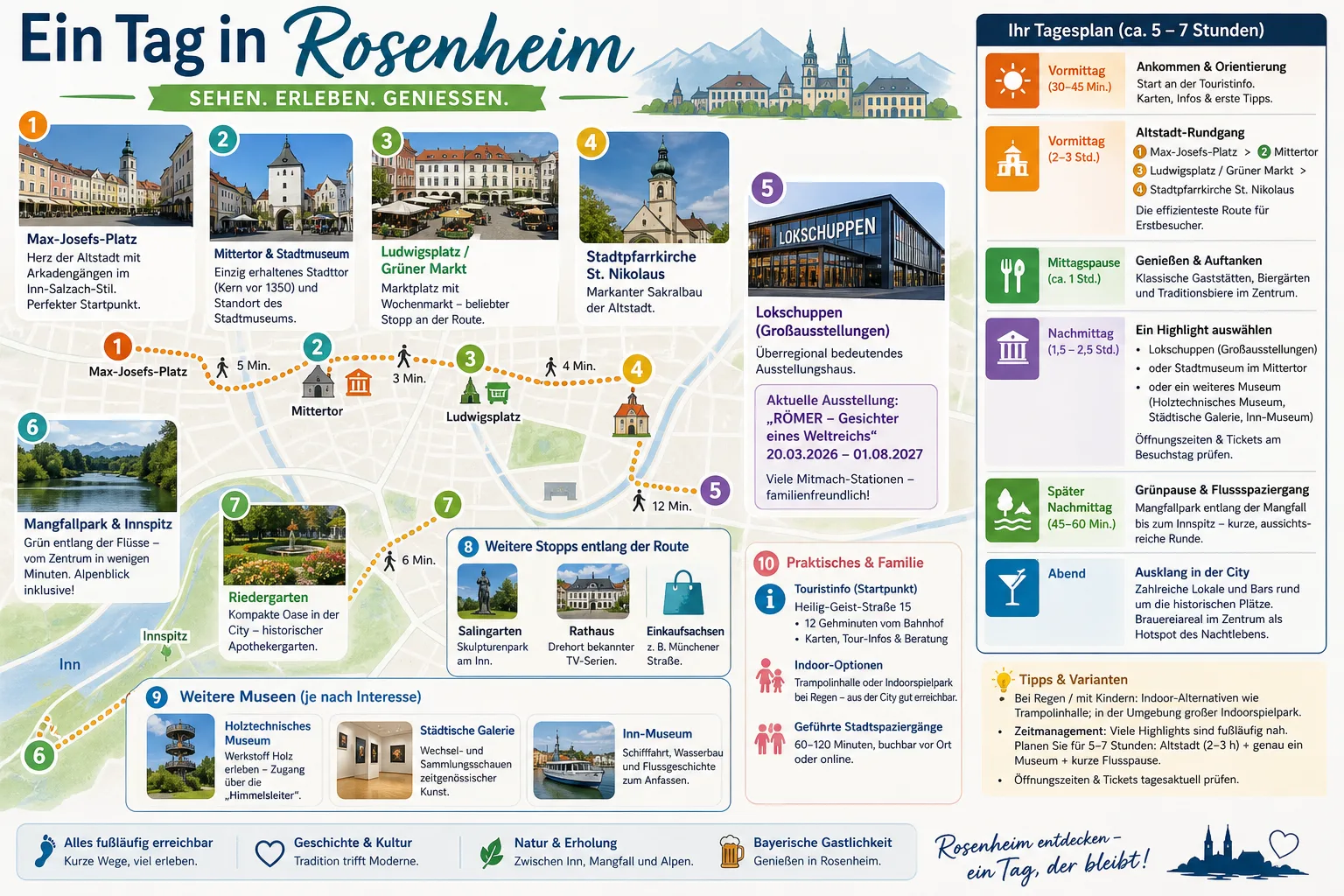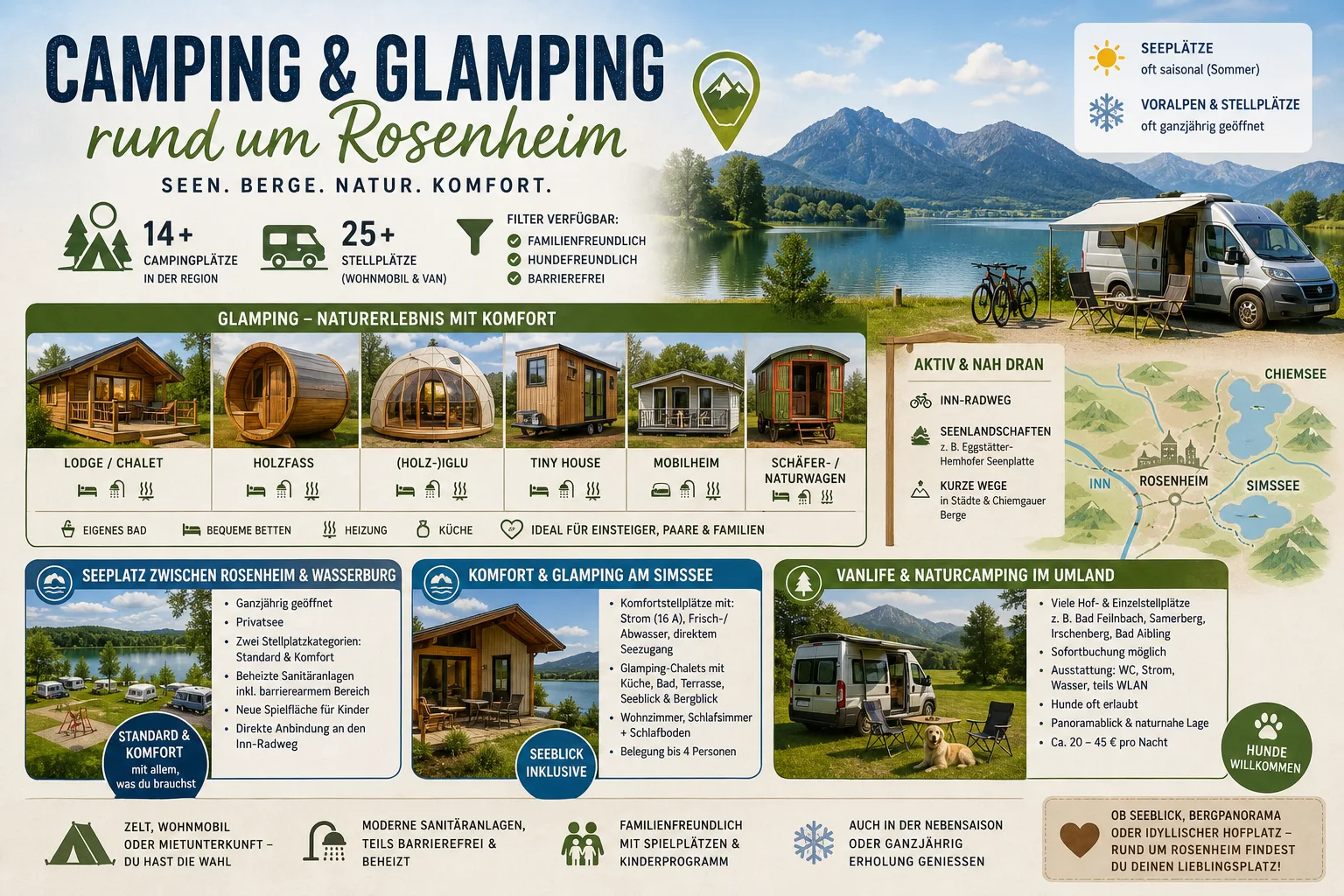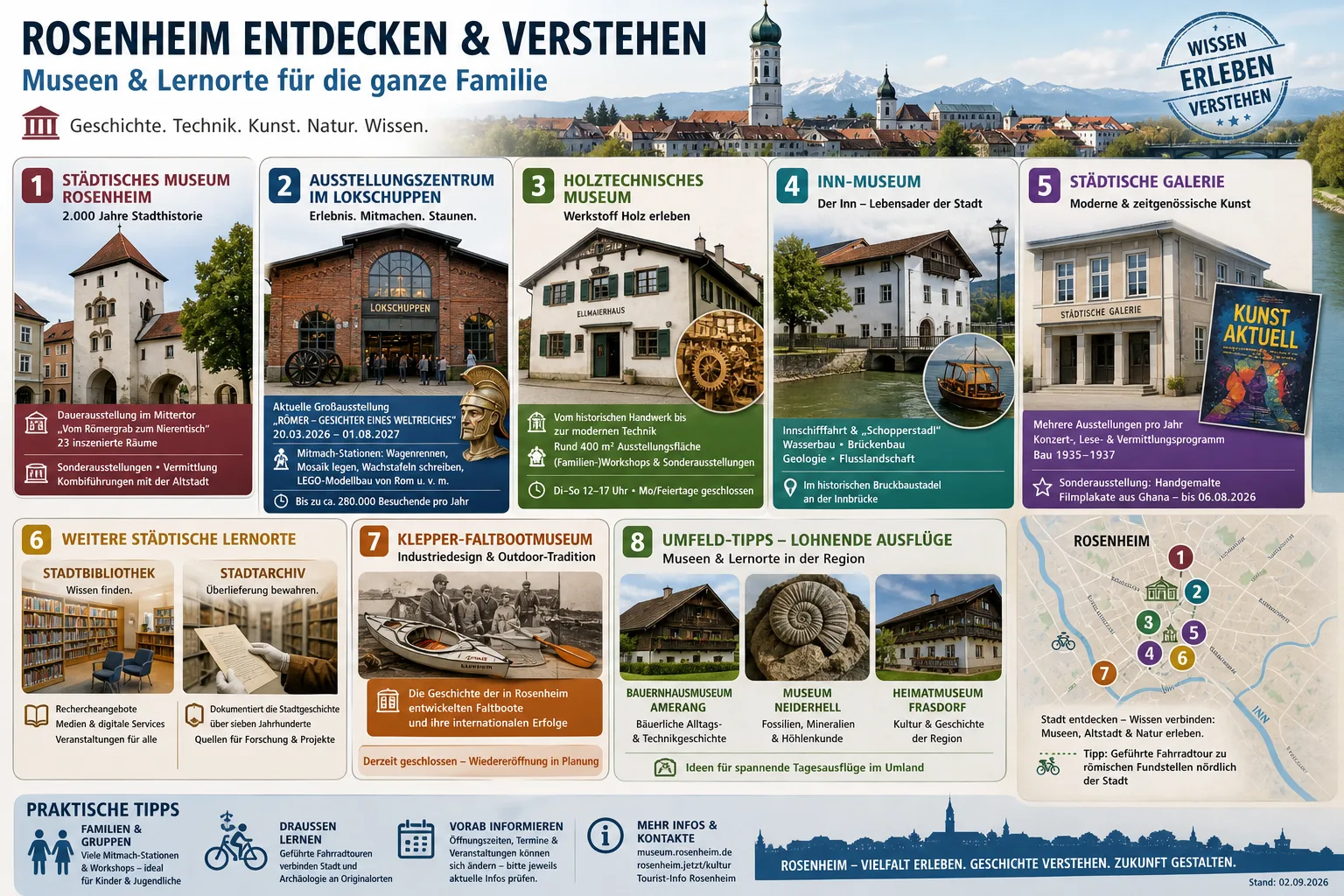
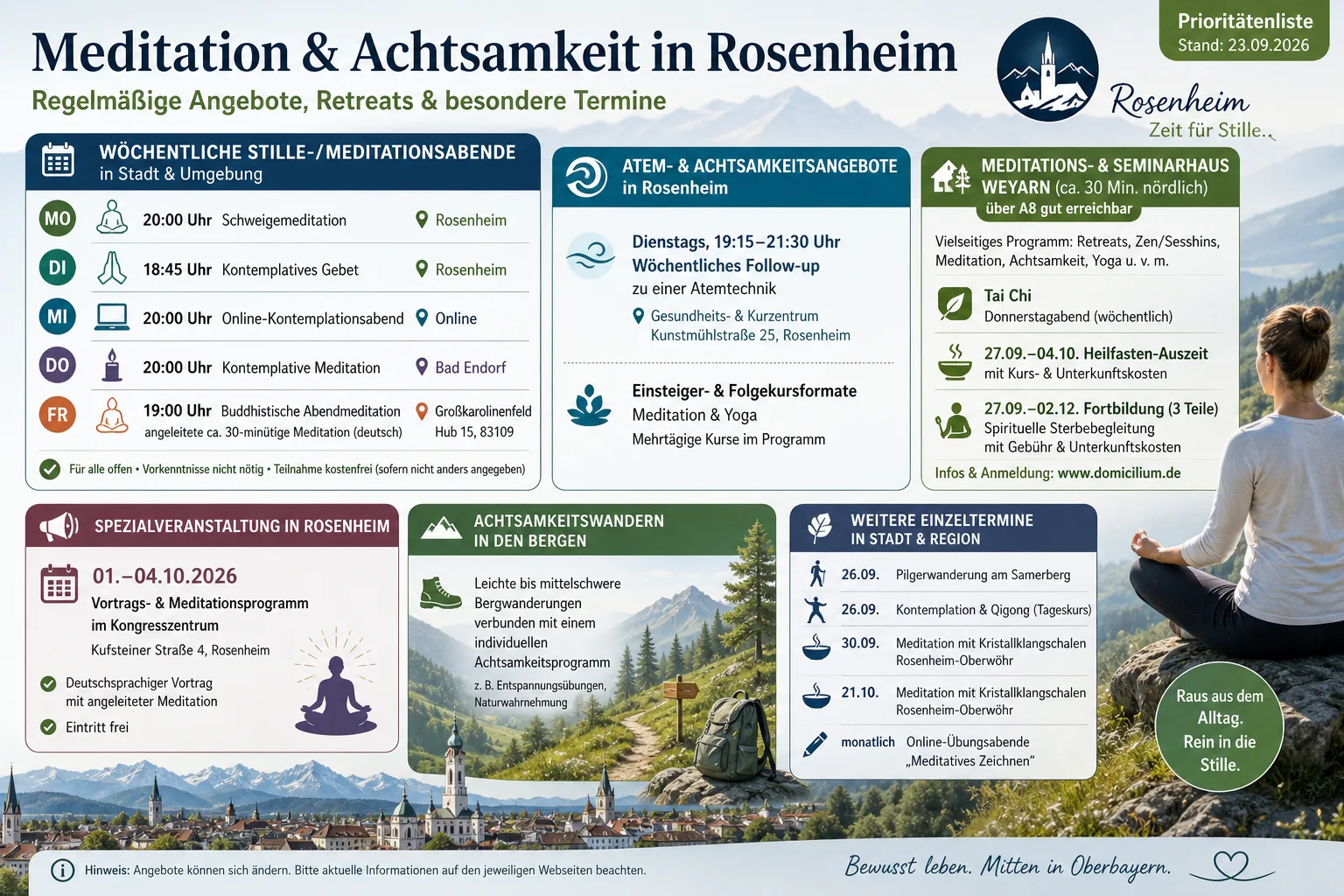
Discover Spiritual Places & Meditation in Rosenheim
Spiritual Places & Meditation in Rosenheim: Your Path to Stillness (Outlook & Planning)
Rosenheim combines city life, river landscapes, and proximity to the mountains – a combination that is particularly well suited to planning conscious breaks in the future: quiet church spaces, nature-based mindfulness, and various meditation styles from secular to religiously influenced.
This guide helps you realistically plan upcoming meditation and mindfulness moments in Rosenheim and the surrounding area – without promises of healing, but with practical selection criteria, safety notes, and reputable sources.
Which formats you can typically expect in the region in the future
In and around Rosenheim, you will typically find a wide range of approaches in the coming weeks and months. These categories help you quickly classify offers:
1) Silent/Silence Meditation (secular or spiritually open)
You sit (usually in a group) in several silent phases. There is often a short introduction and a clear procedure. This is especially suitable if you are looking for quiet without much content.
2) Contemplation & contemplative prayer (Christian influenced)
Here, gathering in silence is the focus, often with a short impulse or a word/verse as an inner anchor. This form is suitable if you want to combine silence with spiritual orientation without long liturgical forms.
3) Buddhist meditation (various schools)
Group offerings often include guided sequences, short inputs, and shared practice. Check in advance whether you are looking for a more worldview-neutral introduction or a more tradition-bound practice.
4) Breath, Yoga, Qigong & Mindfulness in course format
These formats combine body awareness, breathing, and meditation. This can make it easier to get started if pure sitting is difficult for you or if you need movement as an entry point.
5) Retreats (multi-day time-outs)
Retreats are usually more intensive (more practice times, sometimes silence). They are suitable if you consciously want to create space – for example, for reflection, stress reduction, or deepening an existing practice.
Quiet places in Rosenheim: indoors & outdoors
If you want to meditate in Rosenheim in the future, you don't necessarily have to start with a course. Many people find their rhythm through places that reliably feel "quiet."
Quiet indoor spaces: churches, chapels, prayer rooms
Historic church spaces often offer times during the day when you can sit quietly. Pay attention to notices about opening hours and a respectful setting (quiet, no phone, no photo setup). If you are unsure, choose off-peak times when there are no services or rehearsals.
Nature close to the city: paths along the Inn and Mangfall
For a short, everyday practice, flat sections along riverbanks and in riverside areas are suitable: 10–30 minutes of conscious walking, counting breaths, or "listening without judging." The advantage: You can easily integrate these units into your day.
Rosenheim as a starting point: mountain views & short journeys
If you are looking for more space, it is best to plan with early times (less busy) and clear, short routes in the future. This reduces stress and increases the chance that mindfulness does not become a "to-do hike."
Groups, courses & retreats: how to choose the right one
There are various groups and centers in the region that regularly offer practice evenings or weekends. Instead of promising fixed times (which can change), here you get a reliable selection logic with which you can assess upcoming offers well.
How to recognize a reputable offer
- Transparent leadership: Name, training/tradition, clear way to contact.
- Clear framework conditions: Duration, procedure, costs/donation model, notes for beginners.
- Respectful language: No promises of healing, no pressure tactics, no devaluation of other paths.
- Healthy boundaries: Notes on what is sensible in case of psychological stress (e.g., breaks, conversation, if necessary professional help).
Which format fits which goal?
- "I mainly need rest": Silent/silence evenings or short nature units.
- "I'm looking for spiritual connection": Contemplation/contemplative prayer or tradition-bound Buddhist practice.
- "I want to reduce stress but also arrive physically": Breath-, yoga- or qigong-based courses.
- "I want to go deeper": Weekend retreat or multi-day time-out in a seminar/meditation house in the surrounding area.
Mini-plan for your next week (without scheduling trap)
- Choose one offer for a group evening (silent/guided).
- Additionally, plan two short solo units (10–20 minutes) outdoors or in a quiet indoor space.
- After each unit, write down in one sentence: "What was easier/harder than expected?" That's enough as a learning loop.
Meditation outdoors: Mindfulness between Inn, Mangfall & mountains
Nature-based mindfulness works especially well if you give yourself a simple structure. These three variants can be implemented at any time in the coming days:
Variant A: Walking in silence (15–30 minutes)
- Start slowly.
- Feel three contact points per step (e.g., heel–ball–toes).
- If thoughts come: briefly notice them, then return to the step.
Variant B: Breath anchor by the river (8–12 minutes)
Sit so that you feel safe (distance from the bank). Count inhalations and exhalations up to 10, then start again at 1. If you lose count, kindly start over.
Variant C: "Listening without story" (5–10 minutes)
You let sounds come and go without judging them ("nice", "disturbing"). This practice is very suitable for everyday life because Rosenheim doesn't have to be quiet for stillness to arise.
Safety, boundaries & responsible practice (Note)
Meditation and mindfulness can support well-being, but are not a treatment for mental or physical illnesses. If you are in an acute crisis, have severe anxiety/panic symptoms, or meditation clearly destabilizes you, it is advisable to involve a qualified medical or psychotherapeutic contact person and to adapt or pause the practice.
For breathing exercises: Practice without performance pressure. If dizziness, numbness, or discomfort occur, stop the exercise and continue breathing normally. For pre-existing conditions, clarify more intensive breathing techniques medically in advance.
Sources
- National Center for Complementary and Integrative Health (NCCIH): Meditation and Mindfulness—Effectiveness and Safety — Overview of benefits/risks, evidence base (accessed 2026-09-23)
- American Psychological Association (APA): Mindfulness — Classification, fields of application, boundaries (accessed 2026-09-23)
- German Psychotherapists Association (DPtV) — Guidance on mental health and professional help (accessed 2026-09-23)
- German Alpine Club (DAV) — Safety principles for tour planning (weather, route, self-assessment) as a basis for mindful hiking (accessed 2026-09-23)